

Toyota Recommended Service Schedule Explained
Author: West Herr Toyota of Rochester
Welcome to your personalized maintenance guide for drivers in Rochester and the surrounding areas, including Greece and Brighton. At West Herr Toyota of Rochester, we’ve spent decades building trust within the community, understanding the unique demands posed by our local roads and climate. With heavy lake-effect snow in winter and cool, comfortable summers, it’s essential to tailor your Toyota’s OEM maintenance schedule to ensure top performance on routes like I-490 and Monroe Avenue. This guide is designed to help you navigate those specific needs, leveraging our long-standing service experience to keep your vehicle running smoothly through every season.
Why Should You Follow a Maintenance Schedule for Your Toyota?
Adhering to a maintenance schedule is crucial for protecting your investment in a Toyota and ensuring it remains dependable in the unique climate of Rochester. With the hot, humid summers and the heavy pollen that can affect air filters, regular service becomes essential. Additionally, the stop-and-go traffic on routes like I-490 and Monroe Avenue can put extra stress on your vehicle’s fluids, belts, and filters, making timely maintenance even more important.
By keeping up with your scheduled maintenance, you enhance your Toyota’s performance, fuel efficiency, and safety. A well-maintained vehicle is more equipped to handle the unpredictable winter conditions that Rochester is known for, including black ice and snowstorms. Whether you’re making a quick trip to the Rochester Public Market or commuting to the University of Rochester, knowing that your car is operating as intended gives you peace of mind. For deeper insights into vehicle care, consider exploring resources like Edmunds.
How Does Toyota’s Service Reminder System Work?
Many Toyota vehicles provide notifications when it’s time for maintenance. Depending on the specific model and year, these reminders can be based on a simple time or mileage counter, or they may adjust according to how the vehicle is used. This feature is designed to prompt you to check the recommended services for your vehicle.
When maintenance is due, you might see a dashboard message, a service indicator like a wrench light, or a maintenance reminder that may include an oil-life percentage. Since how these reminders function can vary by model, it’s essential to consult your owner’s manual for precise details. Also, factors such as frequent short trips, stop-and-go traffic around areas like Rochester, Greece, or Brighton, as well as towing or temperature fluctuations, can influence how often maintenance is necessary.
What Does the Primary Service Reminder Mean?
After understanding how service reminders work in general, it’s important to know what your vehicle’s primary service reminder indicates. This reminder serves as a high-level alert that scheduled maintenance is either due or approaching. Depending on the model year and manufacturer, some vehicles may display a simple message or light, while others could offer more detailed insights through a maintenance menu or settings screen. To pinpoint the exact services due, refer to your owner’s manual or the in-vehicle maintenance information.
Primary reminder: A general signal prompting you to consult your vehicle’s scheduled maintenance guidance and plan for service. It typically indicates that maintenance is necessary, though it may not specify every individual item.
Additional details (if shown): Some vehicles provide further information—like a maintenance screen, percentage indicators, descriptive messages, or symbols—that can clarify what requires attention. If your vehicle includes such details, use them in conjunction with the owner’s manual to confirm the recommended service.
What Do Additional Service Indicators Mean?
Many vehicles offer extra details beyond the main service reminder. These indicators, which may appear as additional items, symbols, or menu entries, help pinpoint what maintenance might be due. However, the specifics can vary by vehicle, so it’s important to refer to your owner’s manual for precise meanings. Below are common examples of service items that some vehicles may show.
- Tire rotation: Regular tire rotation promotes even tread wear and improves handling. In Rochester, where driving often involves short trips and stop-and-go traffic, timely rotations can extend tire life.
- Engine and cabin air filters: Engine air filters ensure proper airflow for optimal engine performance, while cabin air filters maintain interior air quality. Dust and pollen, especially in the spring, can clog these filters faster in areas like Greece and Brighton.
- Transmission fluid: Monitoring transmission fluid is crucial for long-term vehicle health. Frequent short trips or driving on hilly terrain can elevate transmission temperatures, making fluid changes essential.
- Spark plugs and valve clearance check (when applicable): Spark plugs may need replacing at intervals, and some engine types require checking valve clearance. These services are often necessary as vehicles age, especially in higher-mileage situations.
- Engine coolant: This fluid helps regulate engine temperature and protect components. In Rochester’s hot summers or during long highway drives, the cooling system may face increased demands.
- Rear differential fluid (AWD/4WD, if equipped): For vehicles with all-wheel or four-wheel drive, maintaining differential fluid is important. Driving on wet, uneven surfaces can increase strain on these components.
- Brake fluid: As brake fluid ages, it can absorb moisture, which may compromise braking effectiveness. If this service appears in your vehicle’s maintenance reminders, it’s crucial to adhere to the recommended intervals.
What is a Typical Toyota Service Schedule?
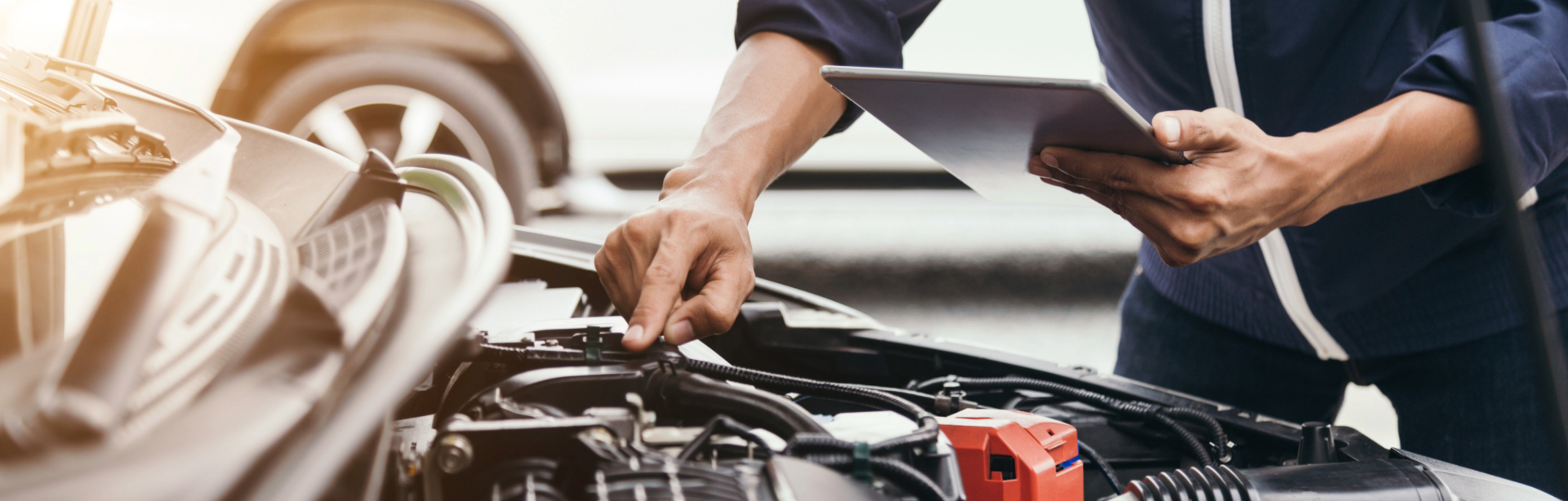
While many Toyota vehicles may offer in-vehicle reminders or maintenance information, it’s beneficial to have a general understanding of typical maintenance intervals to help you prepare. This outline serves as a helpful reference alongside your owner’s manual and any service reminders (if available).
What Services Are Needed in the First 30,000 Miles?
During the initial 30,000 miles of ownership, drivers typically engage in essential services, including routine oil changes, tire rotations, and air filter maintenance. The specific timing for these services can vary based on the Toyota model, driving habits, and the guidelines provided in the vehicle’s owner manual.
Oil service: Many vehicles may require an oil change within several thousand miles. For drivers navigating the stop-and-go traffic of downtown Rochester or the construction zones around Greece and Brighton, it’s not uncommon to find that oil service is needed sooner due to the driving conditions.
Tires and filters: Tire rotations are often scheduled early in ownership to ensure even wear. Engine and cabin air filters should also be monitored; local factors such as pollen, dust, and debris from construction in Rochester and Greece can clog these filters more quickly.
What Maintenance Should Be Done Between 30,000 and 60,000 Miles?
As your Toyota approaches 30,000 to 60,000 miles, maintenance shifts from routine tasks to more intensive care for crucial systems. It’s important to remember that service recommendations can vary based on your specific model, powertrain, and driving habits, so always refer to your owner’s manual and in-vehicle maintenance alerts for the most accurate guidance.
Transmission fluid service: A transmission fluid service is particularly vital for vehicles frequently navigating stop-and-go traffic or hilly areas, like those around Lake Avenue or Monroe Avenue. This service ensures smooth shifting and helps maintain the longevity of your transmission, which is one of the vehicle’s most intricate systems.
Brake fluid, brakes, and tires: Brake fluid replacement is typically suggested on a time-based schedule, as brake fluid can absorb moisture over time, leading to decreased performance. Moreover, regular inspections of your brakes and tires become increasingly critical as you drive through Rochester’s mixed conditions, from wet weather to icy roads on I-490. Ensuring your brakes and tires are in good shape is essential for safe stopping and handling. For insights on vehicle reliability and performance comparisons, check out Consumer Reports.
What Major Services are Required Approaching 100,000 Miles?
As your Toyota approaches the milestone of 100,000 miles, several key maintenance services often come into consideration. It’s important to consult your owner’s manual to confirm what applies specifically to your model and engine type, as not all vehicles will require the same level of attention at this point.
Spark plugs: Replacing spark plugs is a common recommendation around this mileage, though the exact timing can depend on your engine design. Fresh spark plugs help ensure your vehicle runs smoothly, starts reliably, and maintains fuel efficiency, especially as wear accumulates over the years. This can be particularly beneficial for those navigating Rochester’s varied driving conditions, from snowy winter streets to summer commutes.
Timing belt (if equipped) and coolant service: For some older engine designs, a timing belt may need replacement at this stage, while others utilize timing chains that typically don’t have a routine replacement interval. Additionally, a coolant flush or replacement is often recommended to protect your cooling system from corrosion and overheating. Keeping up with these services not only helps maintain your vehicle’s reliability but can also positively influence its resale value, as referenced by Kelley Blue Book.
Why is Local Expertise Important for Servicing Your Toyota?
For those driving in Rochester, having a service team that understands the unique local climate and road conditions is invaluable. The intense heat and humidity during summer can affect your Toyota’s A/C system and engine performance, while the heavy lake-effect snow in winter can create challenges on I-490 and I-390. Additionally, the pollen from spring blooms can clog air filters, and the clay-rich soil can impact suspension and alignment. Our technicians at West Herr Toyota of Rochester are trained to identify these region-specific wear patterns, ensuring your vehicle remains reliable and safe.
By being aware of local driving habits and traffic patterns, such as the stop-and-go nature of roads like Monroe Avenue and West Ridge Road, our service team can proactively address potential issues. For more information on vehicle safety and maintenance, check out the National Highway Traffic Safety Administration (NHTSA) and other resources tailored for Toyota owners.
Frequently Asked Questions (FAQs)
How often should I change my oil in Rochester’s climate?
For most Toyota vehicles, oil changes are typically recommended based on driving conditions and oil type. In Rochester, where winter conditions can be harsh, more frequent changes may be wise.
Are all-season tires suitable for Rochester’s weather?
Yes, high-quality all-season tires are generally effective for Rochester’s varied conditions, but during heavy snowfalls, consider winter tires for enhanced traction and safety.
Does commuting on local highways affect my vehicle’s maintenance schedule?
Absolutely. Frequent stop-and-go traffic can lead to more wear and tear on your engine and brakes, potentially necessitating more frequent maintenance than steady highway cruising.
How often should I change my cabin air filter due to pollen in Rochester?
It’s advisable to check your cabin air filter annually, particularly after the heavy pollen season in spring.
Is all-wheel drive (AWD) beneficial for driving in Rochester?
Yes, AWD offers significant advantages in Rochester, especially during snowy months when lake-effect snow affects road conditions.
What maintenance schedule should I follow for an older vehicle without a service reminder?
For older Toyota models lacking a service reminder, changing the oil regularly is a solid guideline. Always refer to your owner’s manual for specific intervals on other services such as fluid changes and timing belts.
About West Herr Toyota of Rochester
West Herr Toyota of Rochester serves the automotive needs of drivers across Monroe County with a dedication to integrity and customer satisfaction. The dealership prides itself on creating a stress-free environment where vehicle owners can find transparent advice and expert care for their automobiles. By focusing on community relationships and professional excellence, West Herr Toyota of Rochester ensures every visitor receives a high standard of service.
Related Articles:
Rochester Road Warriors: The Ultimate Guide to Selecting Your Toyota Partner
0 comment(s) so far on Toyota Recommended Service Schedule Explained